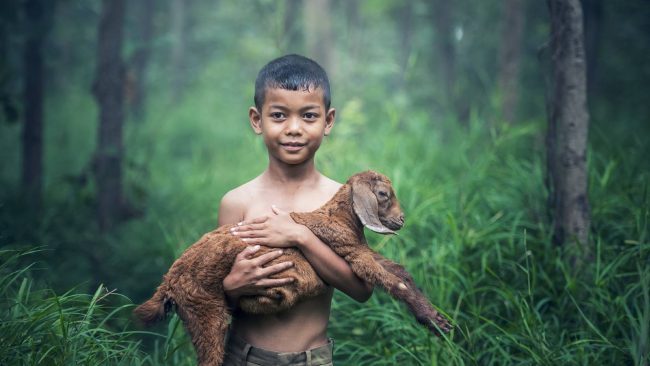
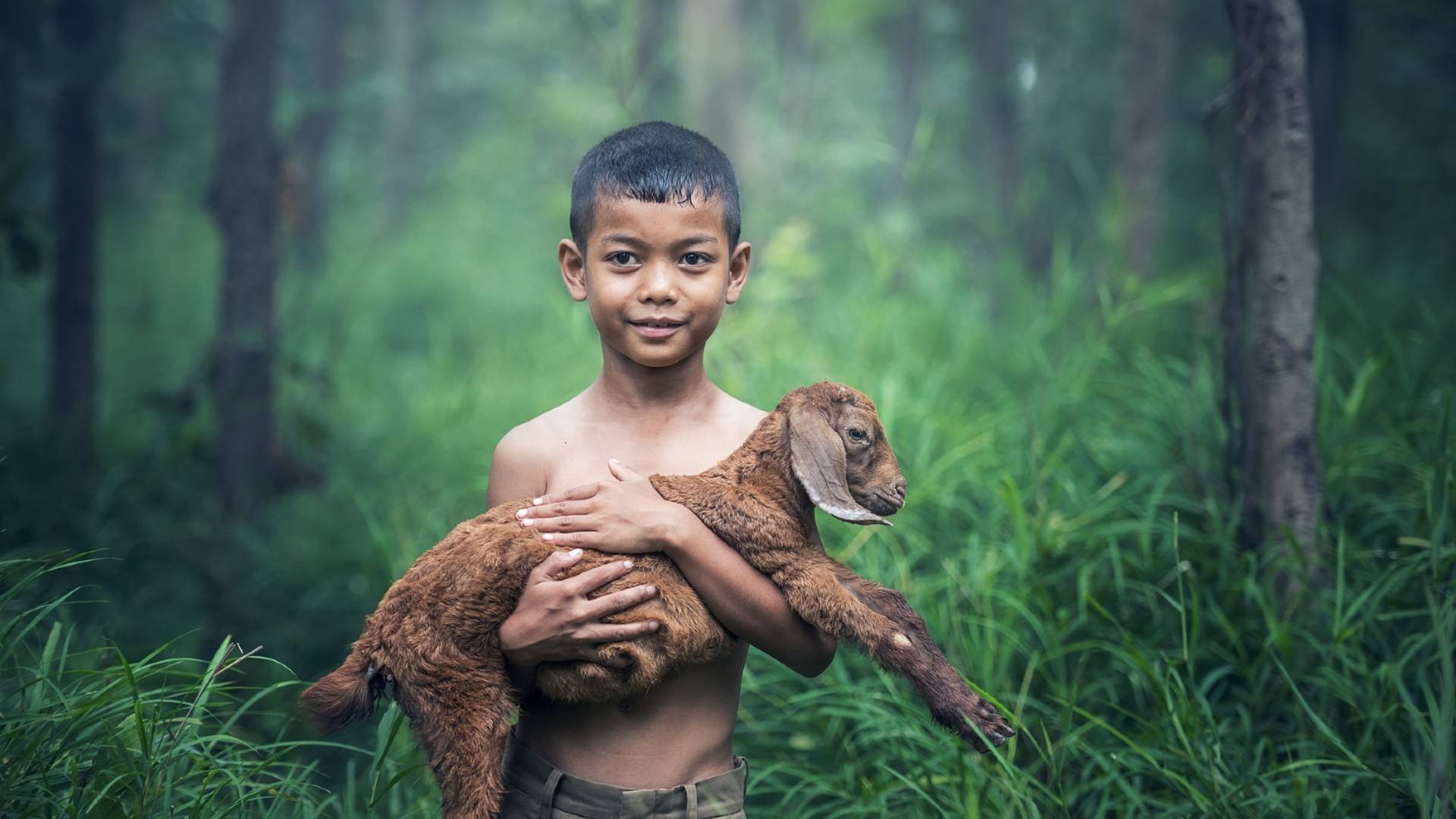
Principle 15. Treat all living beings with respect and consideration. a). Prevent cruelty to animals kept in human societies and protect them from suffering. b). Protect wild animals from methods of hunting, trapping, and fishing that cause extreme, prolonged, or avoidable suffering. c). Avoid or eliminate to the full extent possible the taking…
Principle 14. Integrate into formal education and life-long learning the knowledge, values, and skills needed for a sustainable way of life. necesarios para un modo de vida sostenible. a). Provide all, especially children and youth, with educational opportunities that empower them to contribute actively to sustainable development. b). Promote the contribution of the…
Principle 13. Strengthen democratic institutions at all levels, and provide transparency and accountability in governance, inclusive participation in decision making, and access to justice. a). Uphold the right of everyone to receive clear and timely information on environmental matters and all development plans and activities which are likely to affect them or in which they…
Principle 12. Uphold the right of all, without discrimination, to a natural and social environment supportive of human dignity, bodily health, and spiritual well-being, with special attention to the rights of indigenous peoples and minorities. a). Eliminate discrimination in all its forms, such as that based on race, color, sex, sexual orientation, religion,…
Principle 11. Affirm gender equality and equity as prerequisites to sustainable development and ensure universal access to education, health care, and economic opportunity. a). Secure the human rights of women and girls and end all violence against them. b). Promote the active participation of women in all aspects of economic, political, civil, social, and cultural…
Principle 10. Ensure that economic activities and institutions at all levels promote human development in an equitable and sustainable manner. a). Promote the equitable distribution of wealth within nations and among nations. b). Enhance the intellectual, financial, technical, and social resources of developing nations, and relieve them of onerous international debt. c). Ensure…
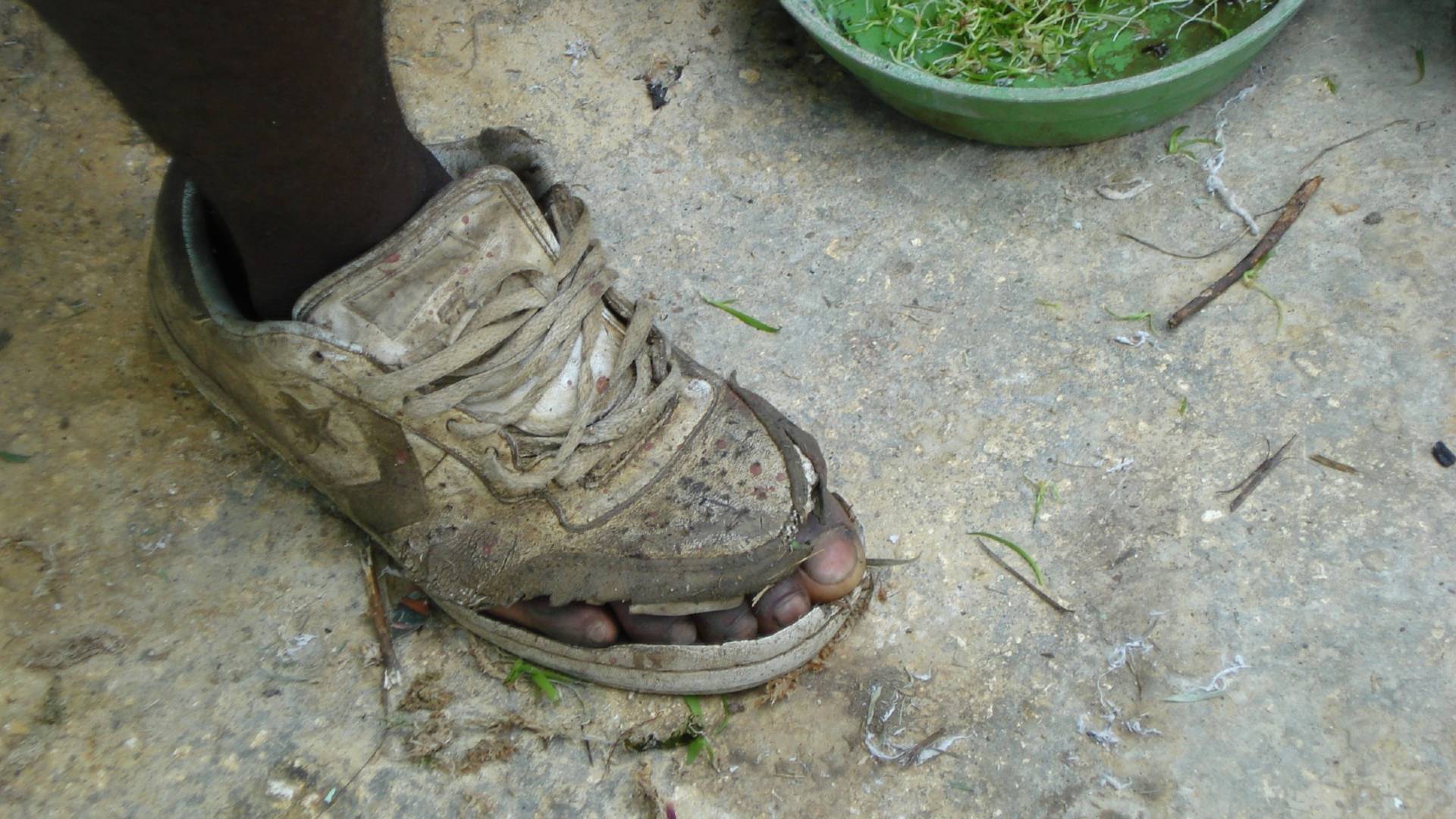
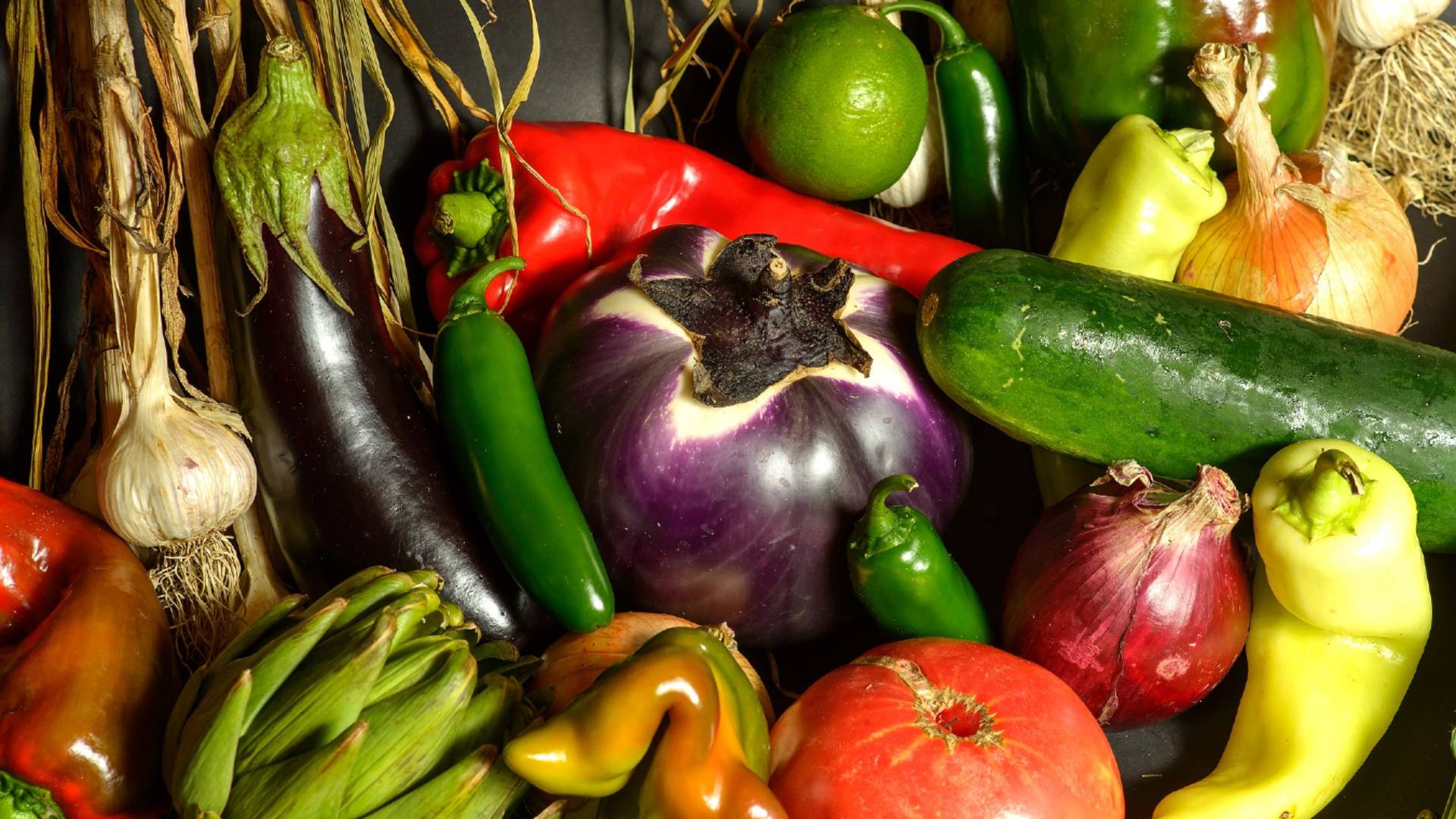
Principle 9 – Eradicate poverty as an ethical, social, and environmental imperative. a). Guarantee the right to potable water, clean air, food security, uncontaminated soil, shelter, and safe sanitation, allocating the national and international resources required. b). Empower every human being with the education and resources to secure a sustainable livelihood, and provide…
Principle 8. Advance the study of ecological sustainability and promote the open exchange and wide application of the knowledge acquired. a). Support international scientific and technical cooperation on sustainability, with special attention to the needs of developing nations. b). Recognize and preserve the traditional knowledge and spiritual wisdom in all cultures that contribute…
Principle 7. Adopt patterns of production, consumption, and reproduction that safeguard Earth’s regenerative capacities, human rights, and community well-being. a). Reduce, reuse, and recycle the materials used in production and consumption systems, and ensure that residual waste can be assimilated by ecological systems. b). Act with restraint and efficiency when using energy, and…
Principle 6. Prevent harm as the best method of environmental protection and, when knowledge is limited, apply a precautionary approach. a). Take action to avoid the possibility of serious or irreversible environmental harm even when scientific knowledge is incomplete or inconclusive. b). Place the burden of proof on those who argue that a…